
Within the CROSS-REIS project, the Faculty of Economics, University of Montenegro launched a series of Living Lab activities in Podgorica, engaging students, citizens, and local partners in hands-on initiatives supporting circular economy practices and Nature-Based Solutions (NbS).
Implemented under the work package Living Regenerative Futures, these activities aim to actively involve stakeholders, particularly citizens, students, and local decision-makers, in co-designing and testing solutions that contribute to more sustainable and regenerative urban environments. The initiative is coordinated by Prof. Ana Lalević Filipović.
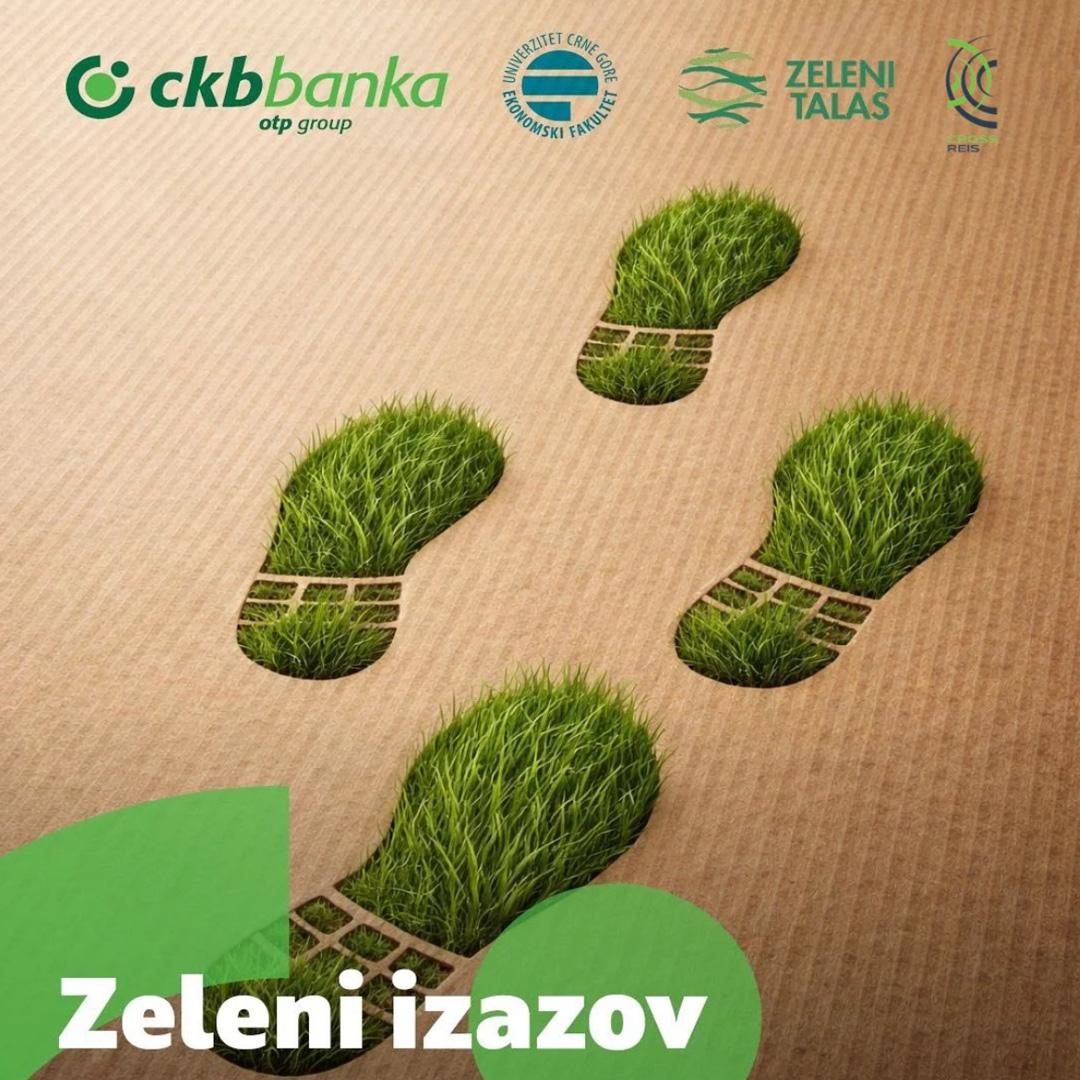
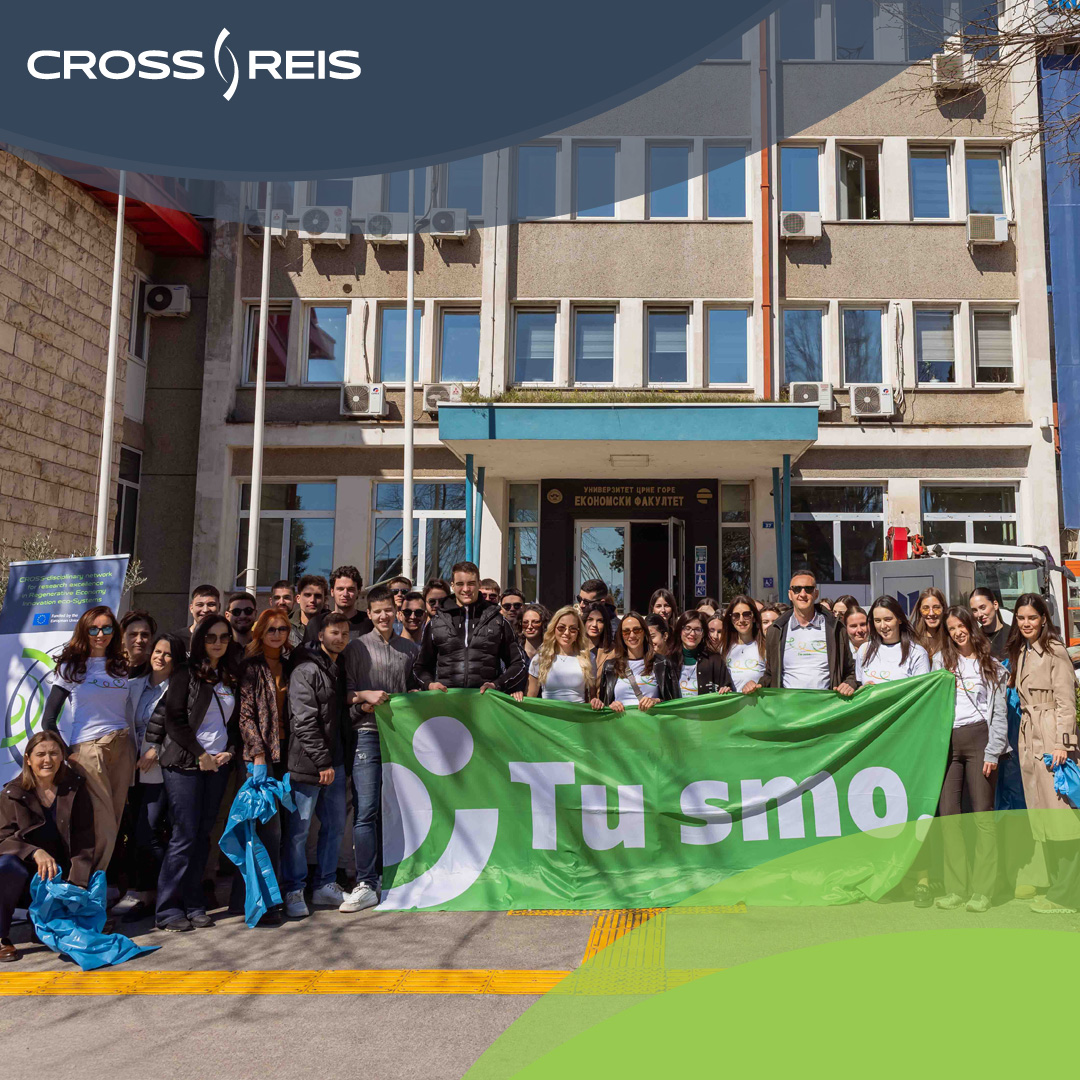
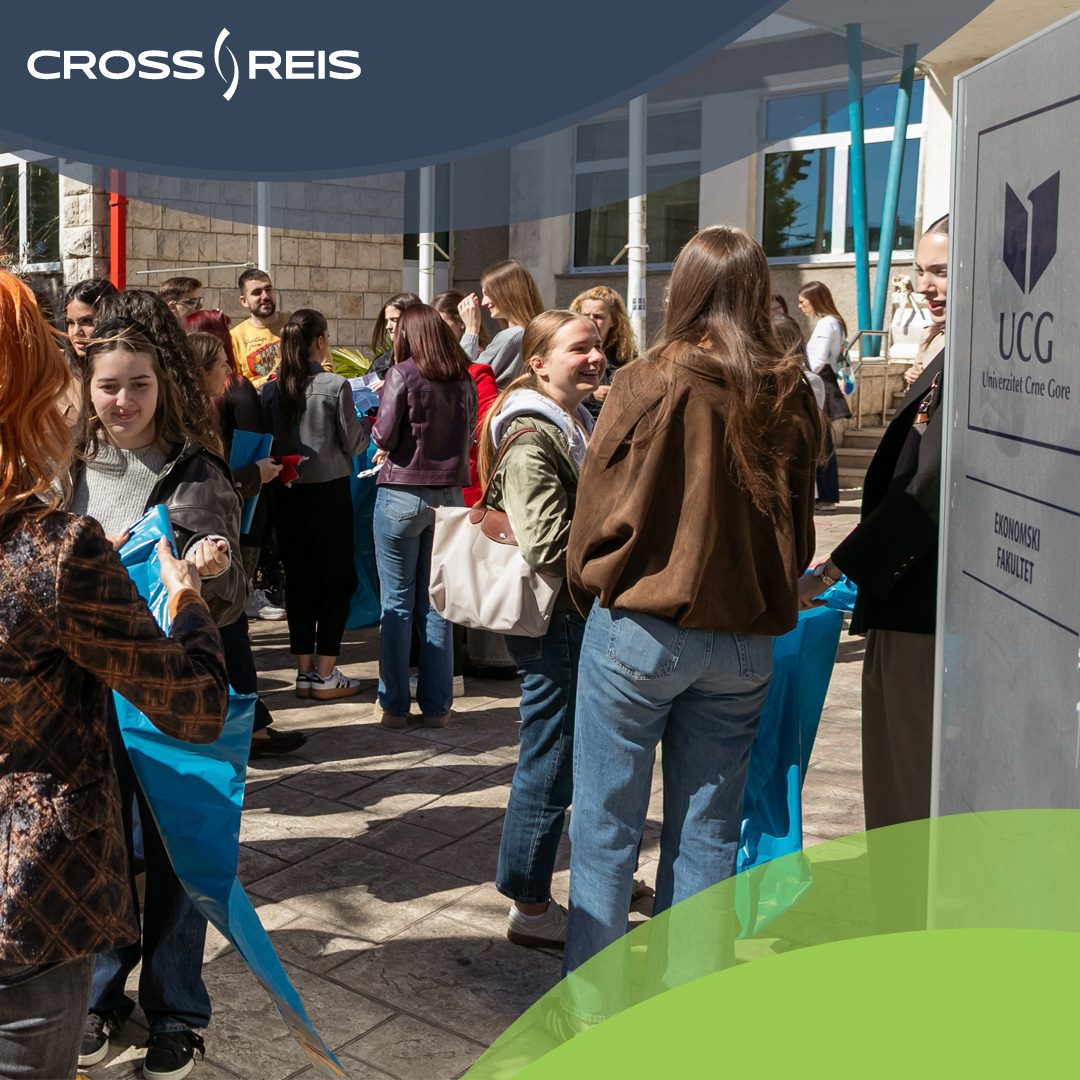
A central component of the Living Lab is the Green Challenge, a month-long student initiative (17 March – 17 April 2026) focused on collecting plastic packaging waste. Through a gamified system developed with partners CKB Bank and Zeleni talas, students are encouraged to adopt sustainable habits by recycling daily and earning points via a digital platform. The activity transforms everyday behaviour into a tangible contribution to circular economy practices, demonstrating how small actions can generate meaningful impact.
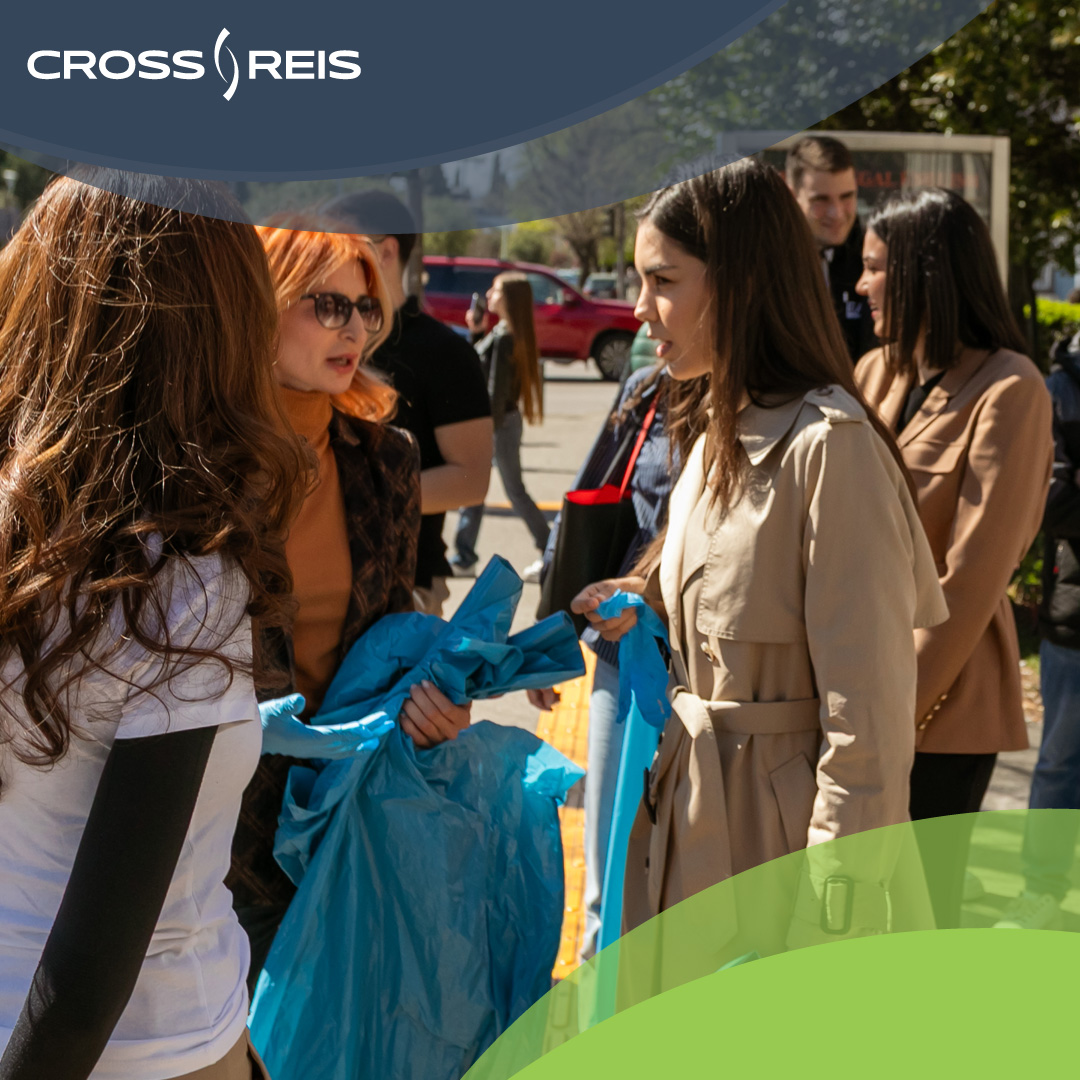
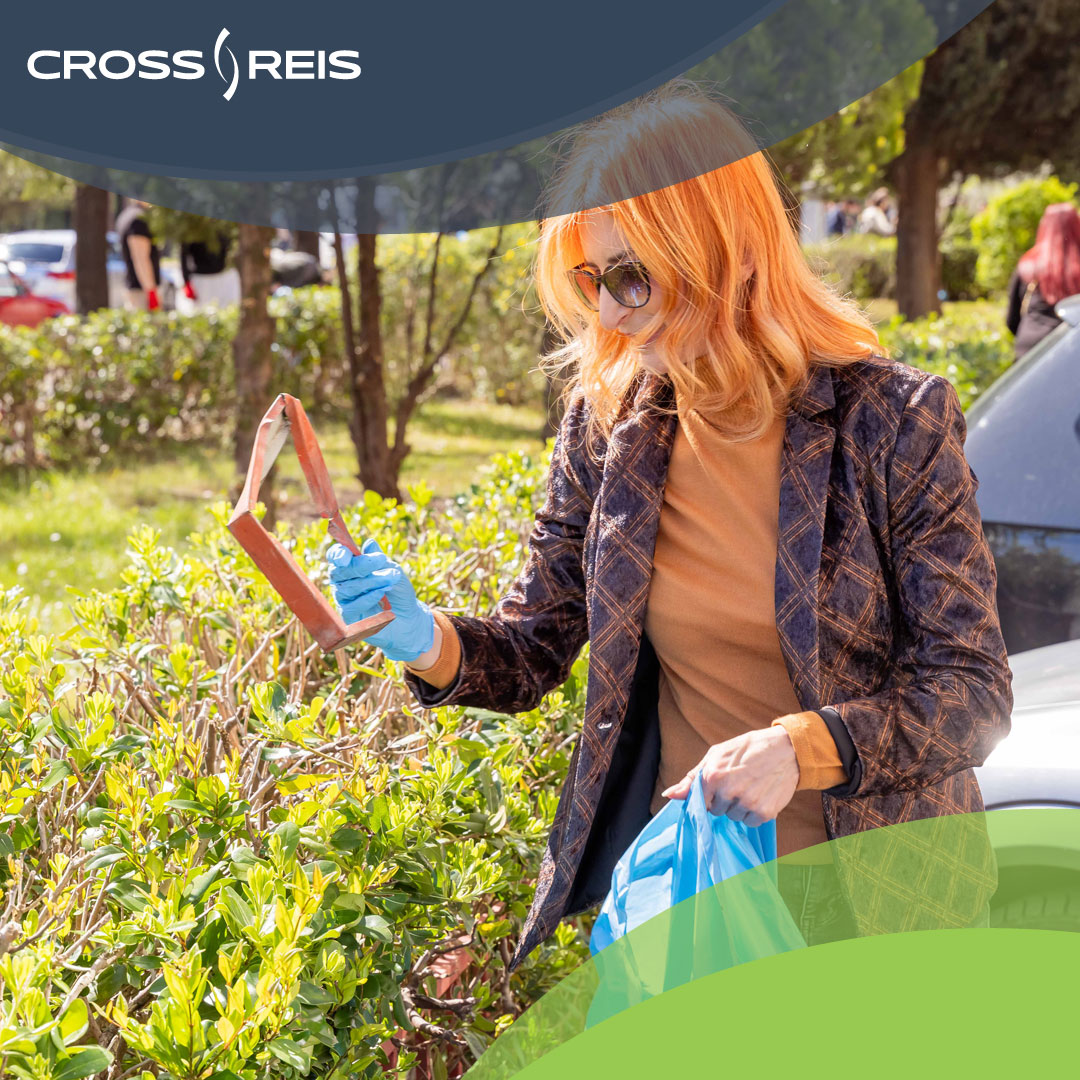
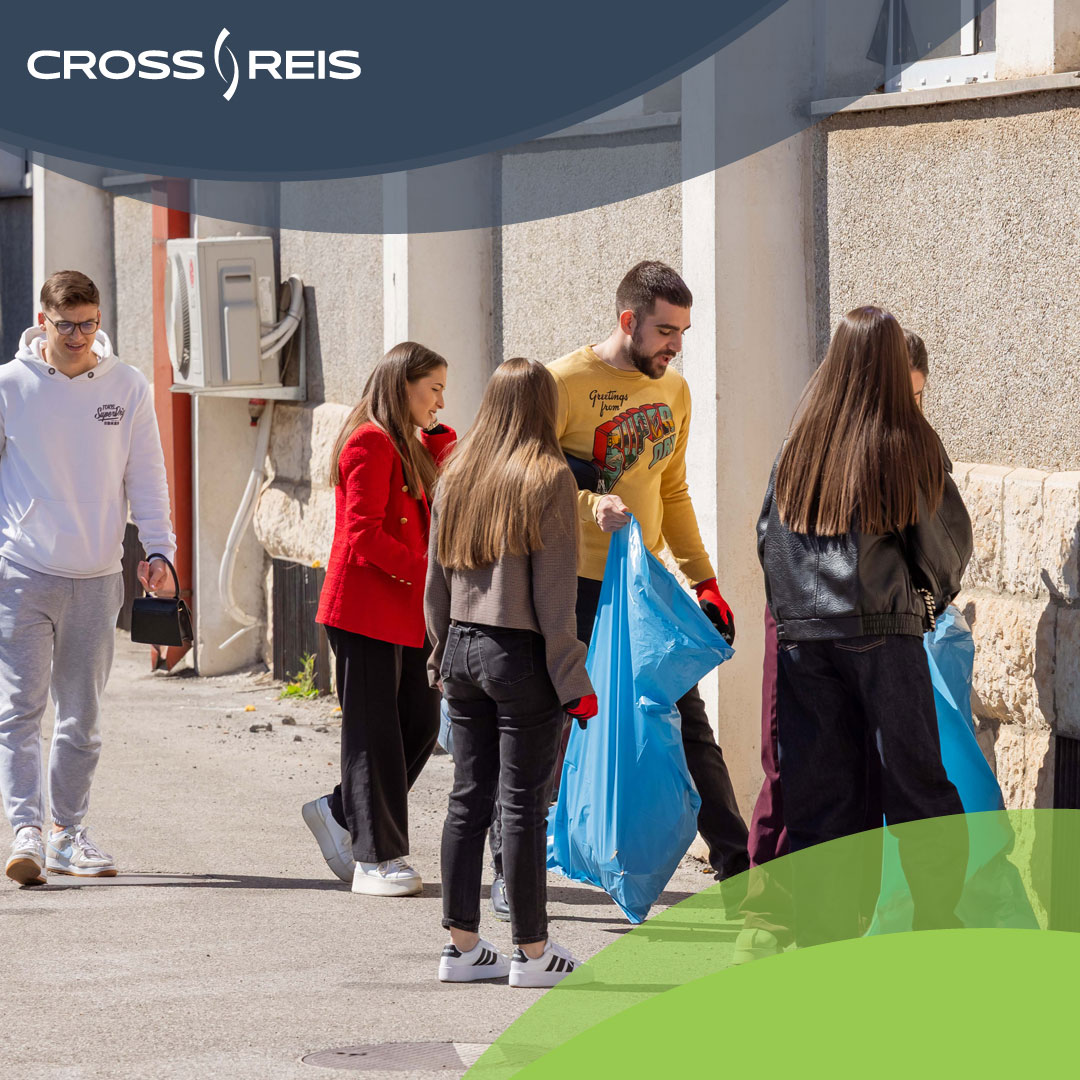
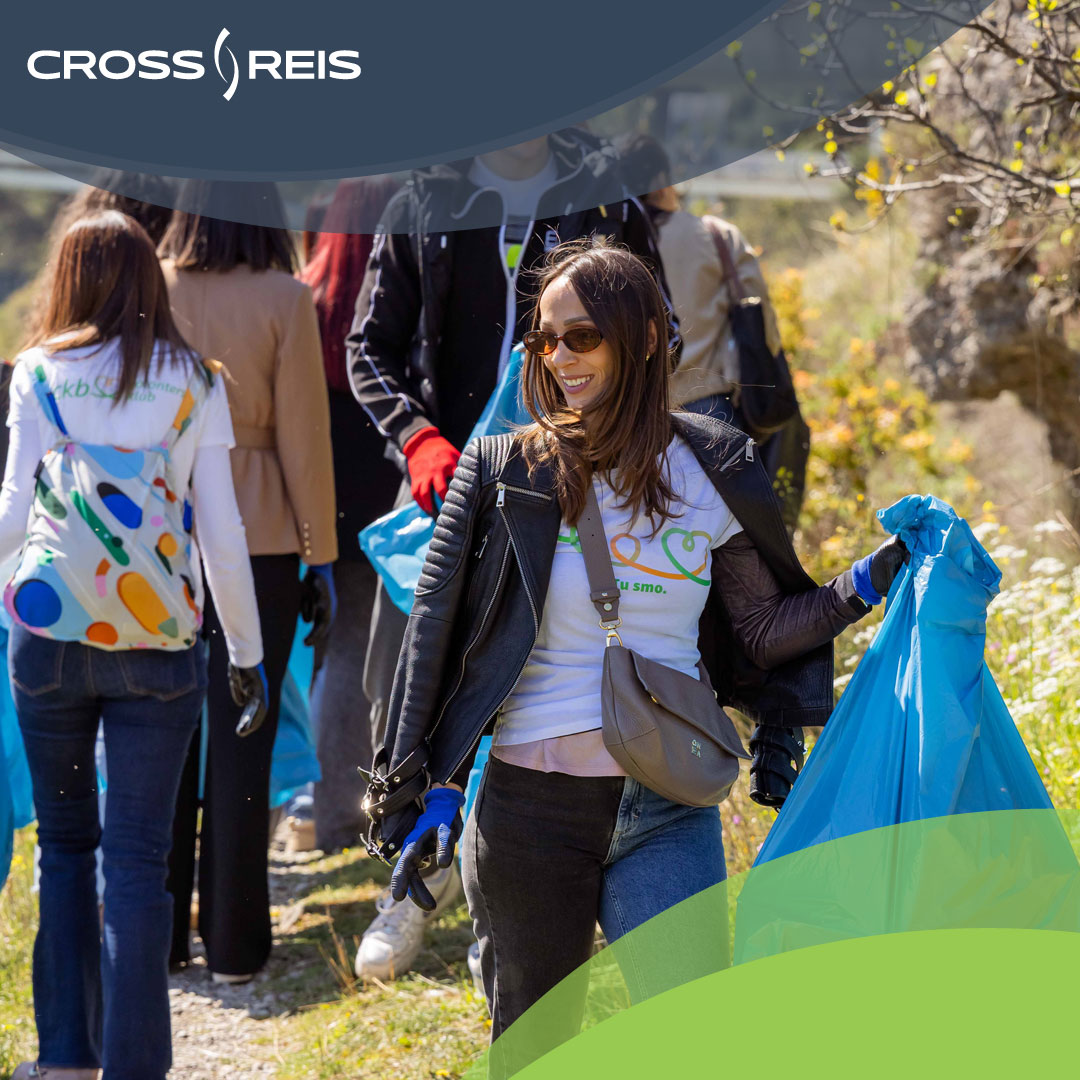
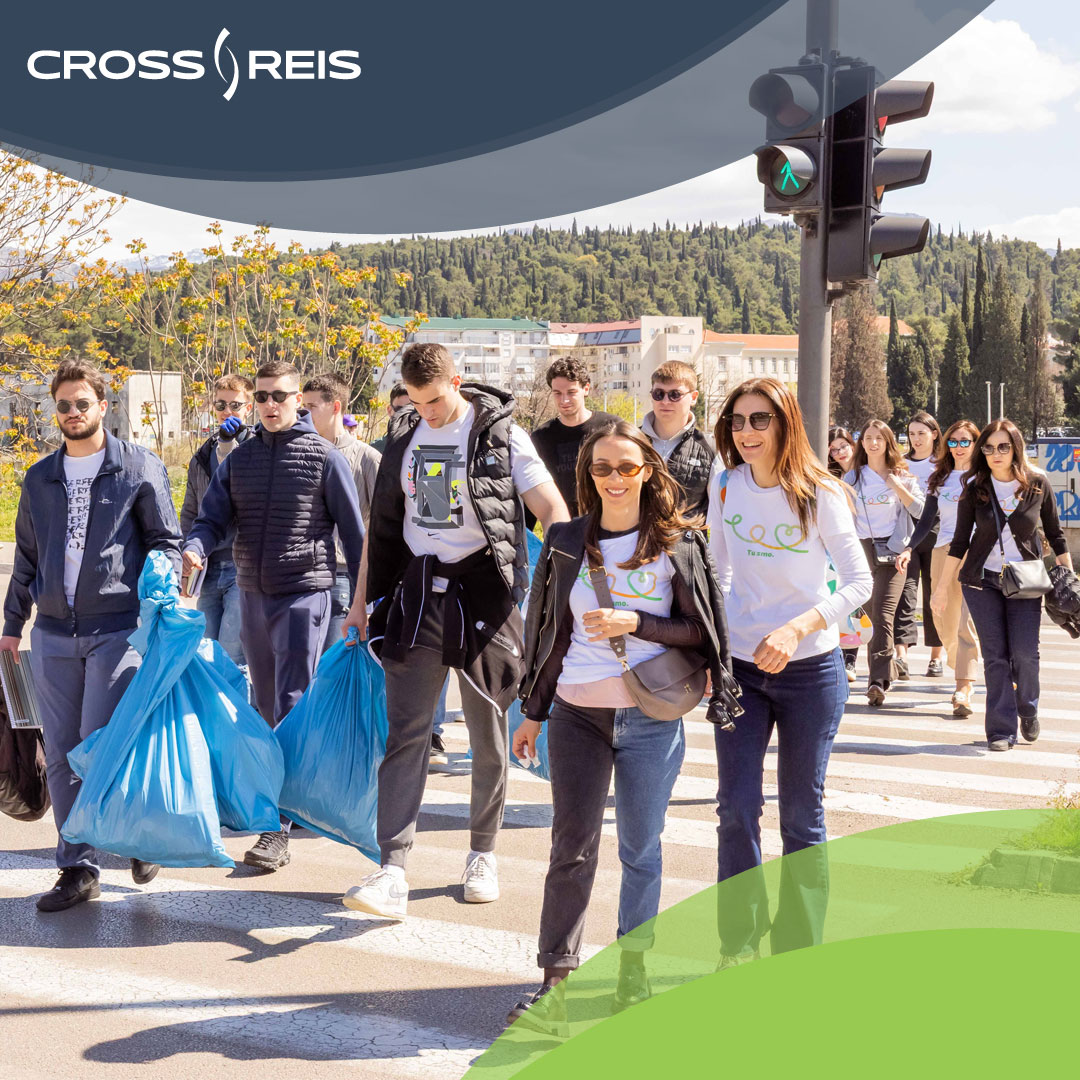
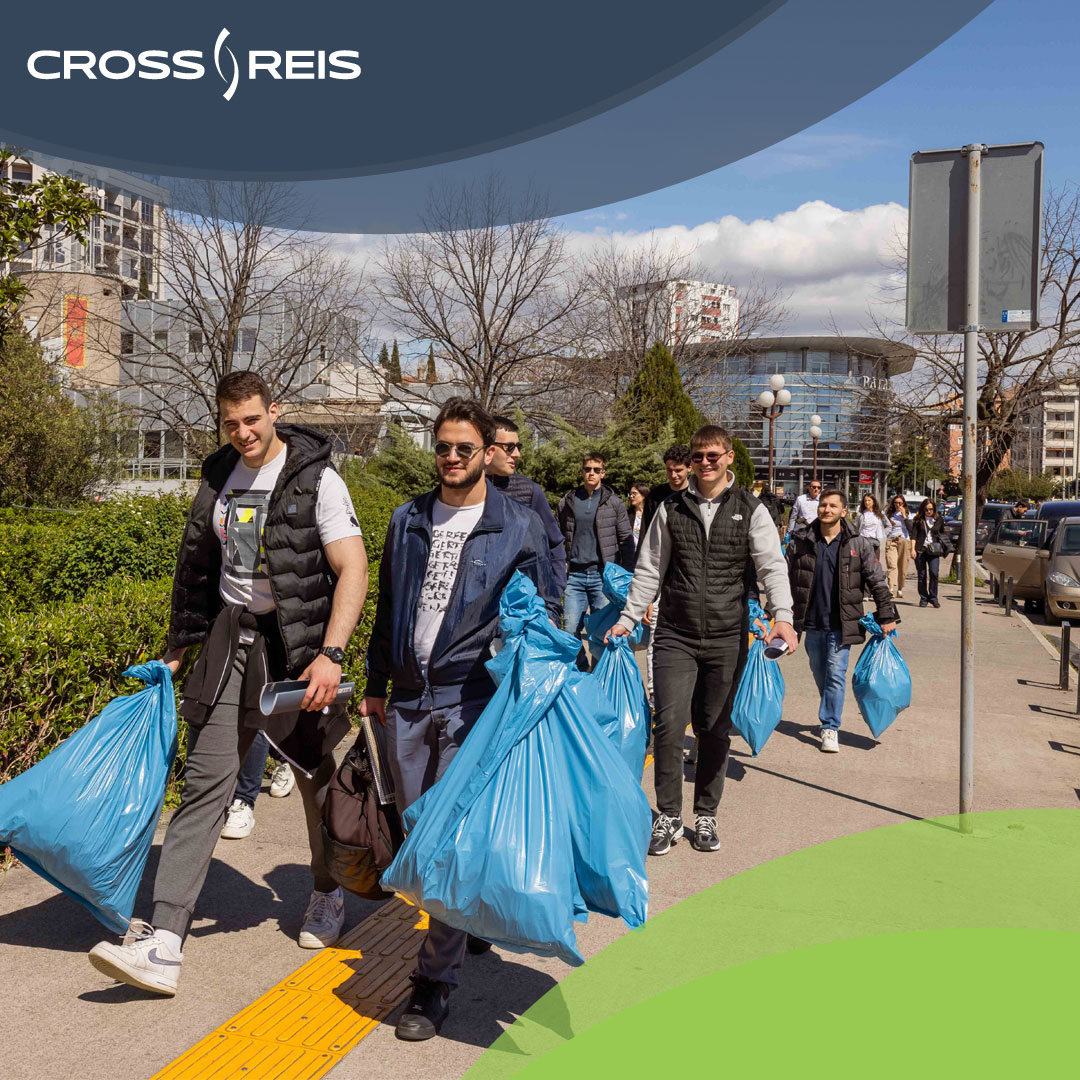
As part of the Living Lab programme, the Faculty also marked World Zero Waste Day (31 March 2026) with a joint clean-up action involving students, staff, and volunteers. Participants collected waste from the surroundings of the Faculty and the banks of the Morača River, reinforcing awareness of responsible resource management and environmental protection.
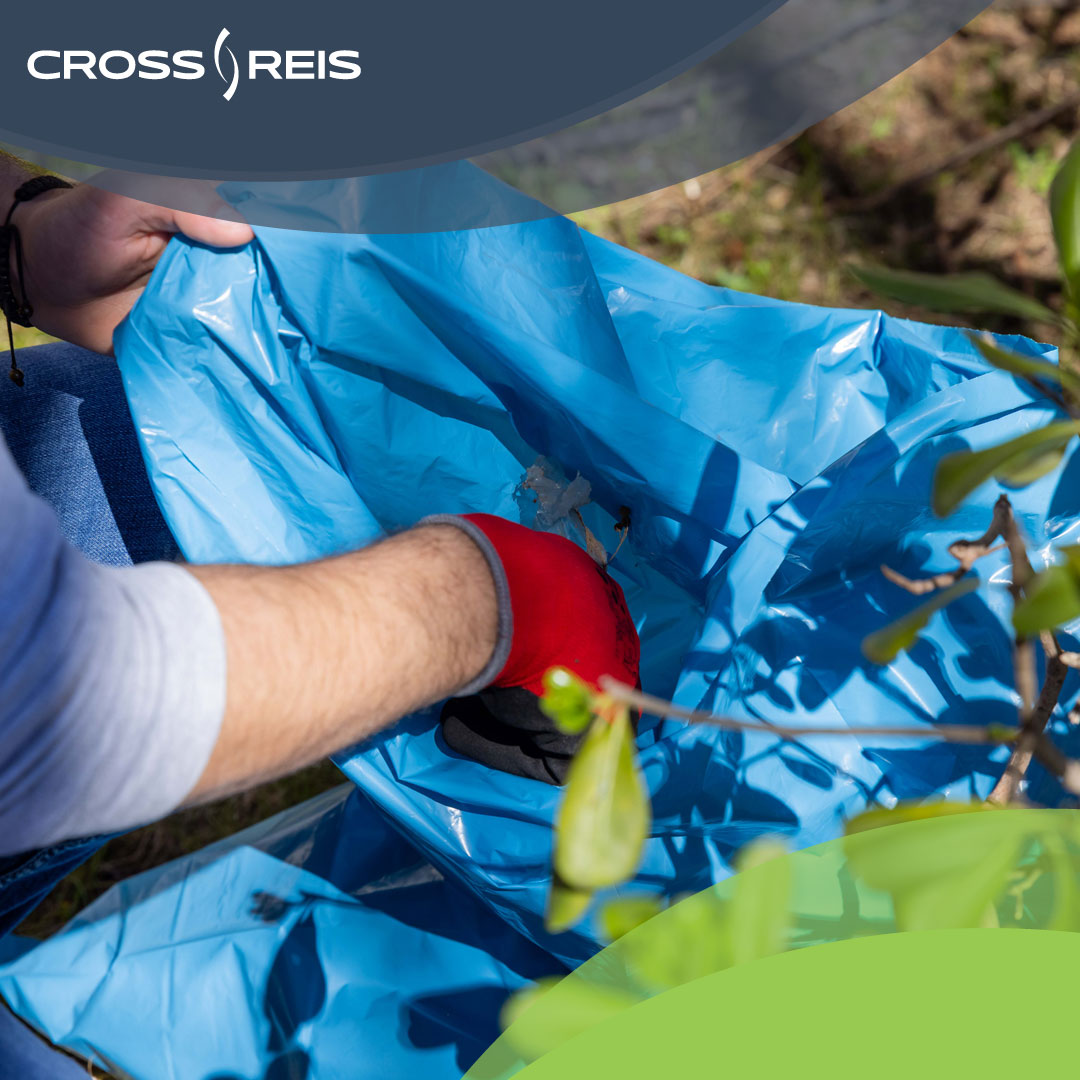
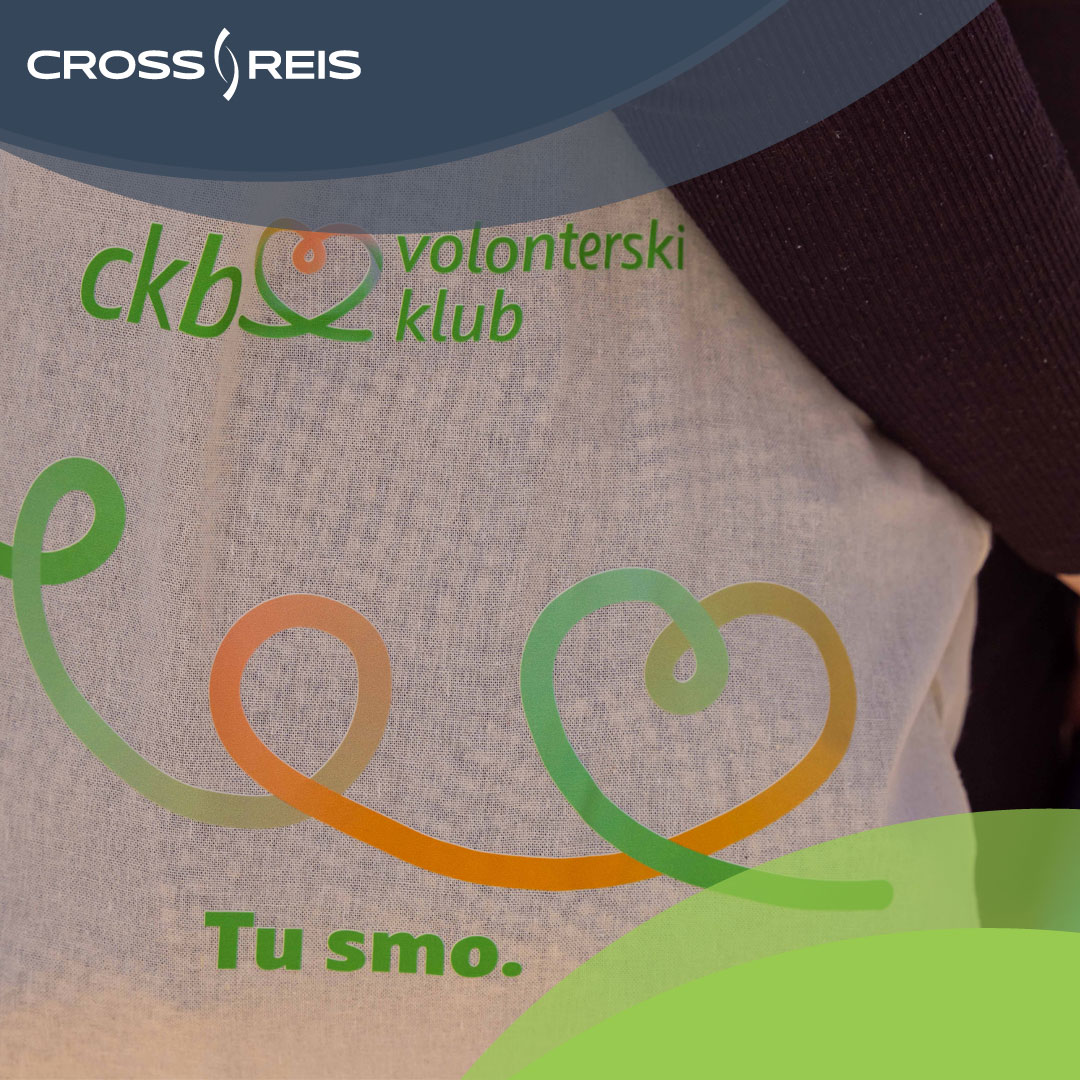
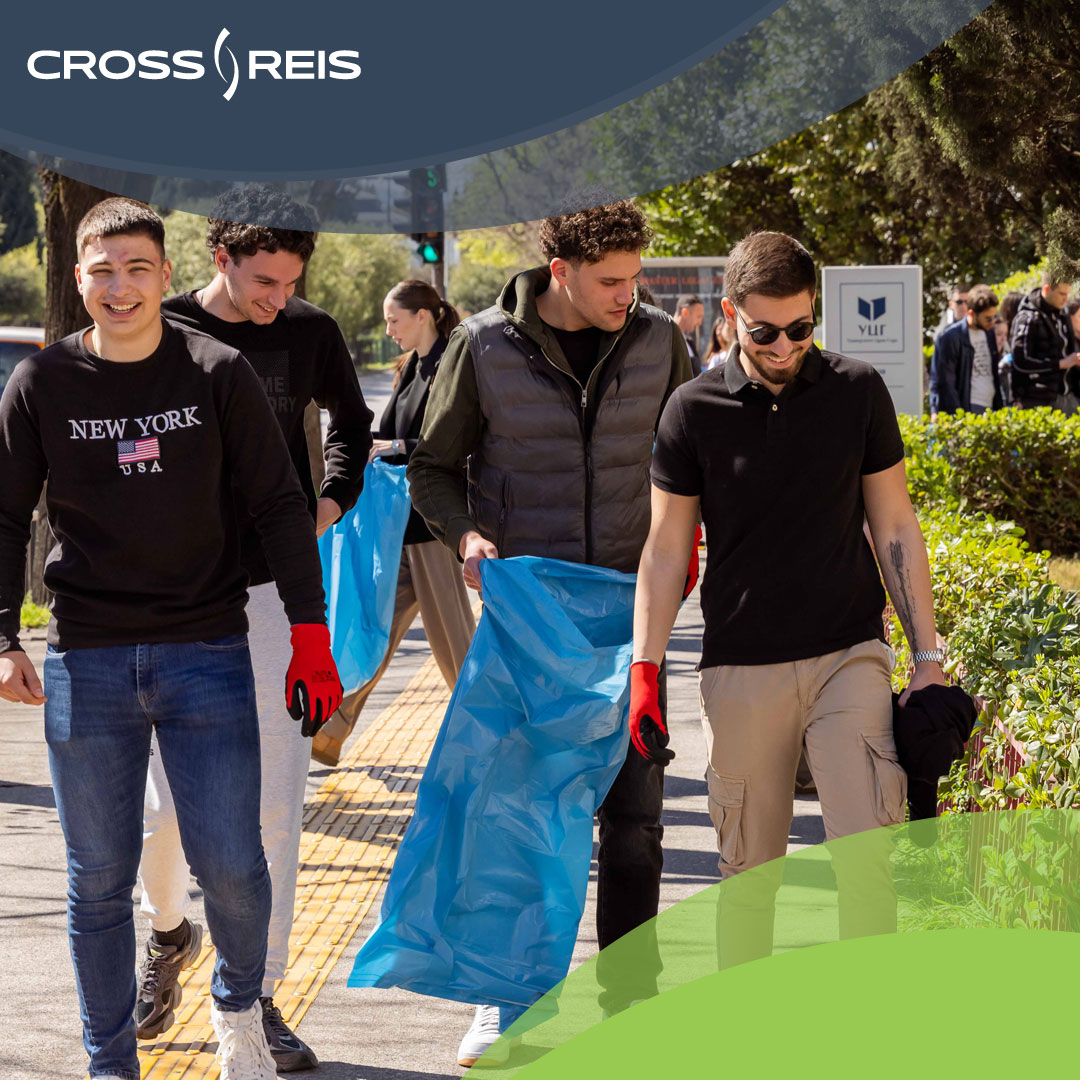
In addition, students are invited to participate in preparatory and awareness-raising activities, including a coordinated clean-up initiative organized together with project partners. These actions provide a practical platform for linking academic knowledge with real-life application and community engagement.
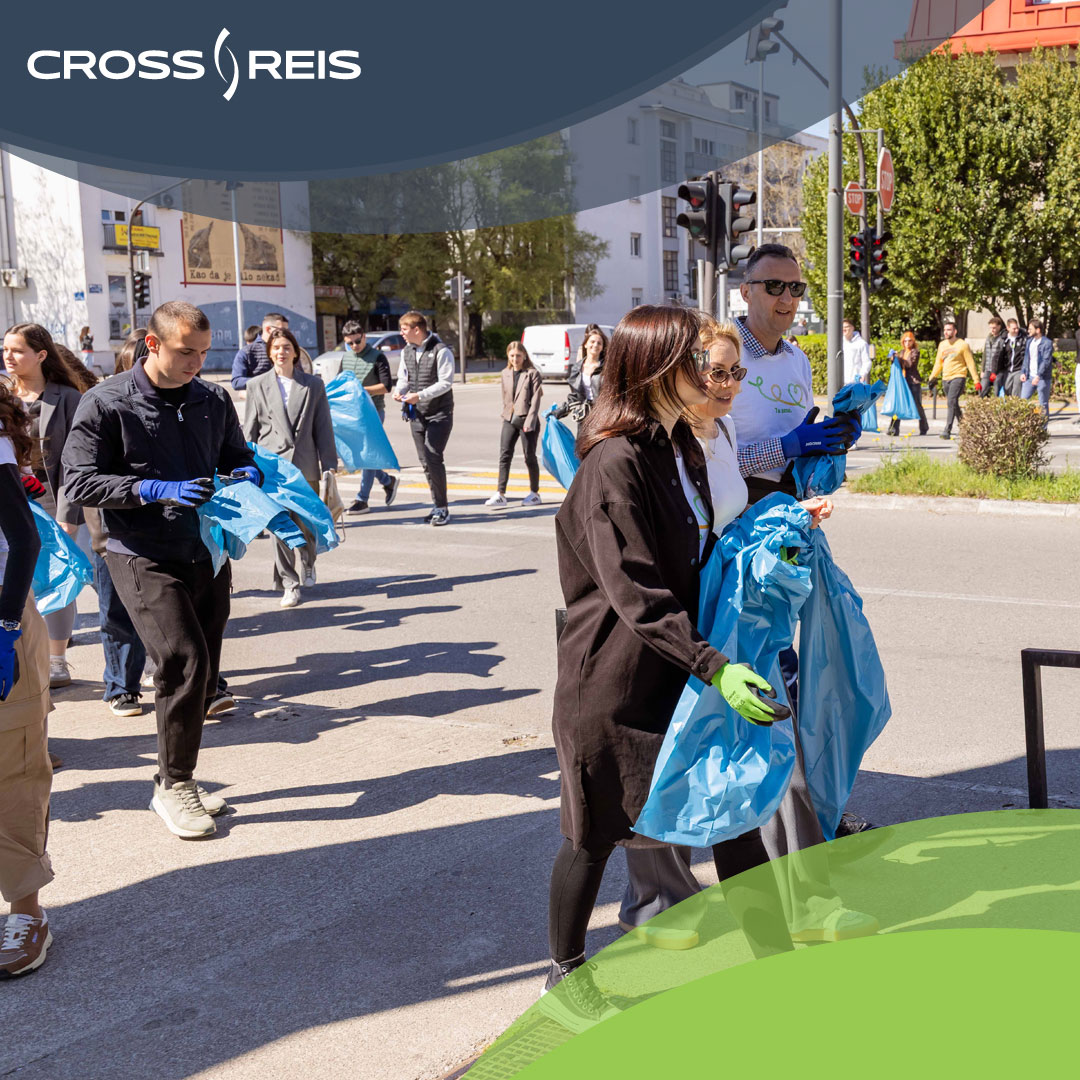
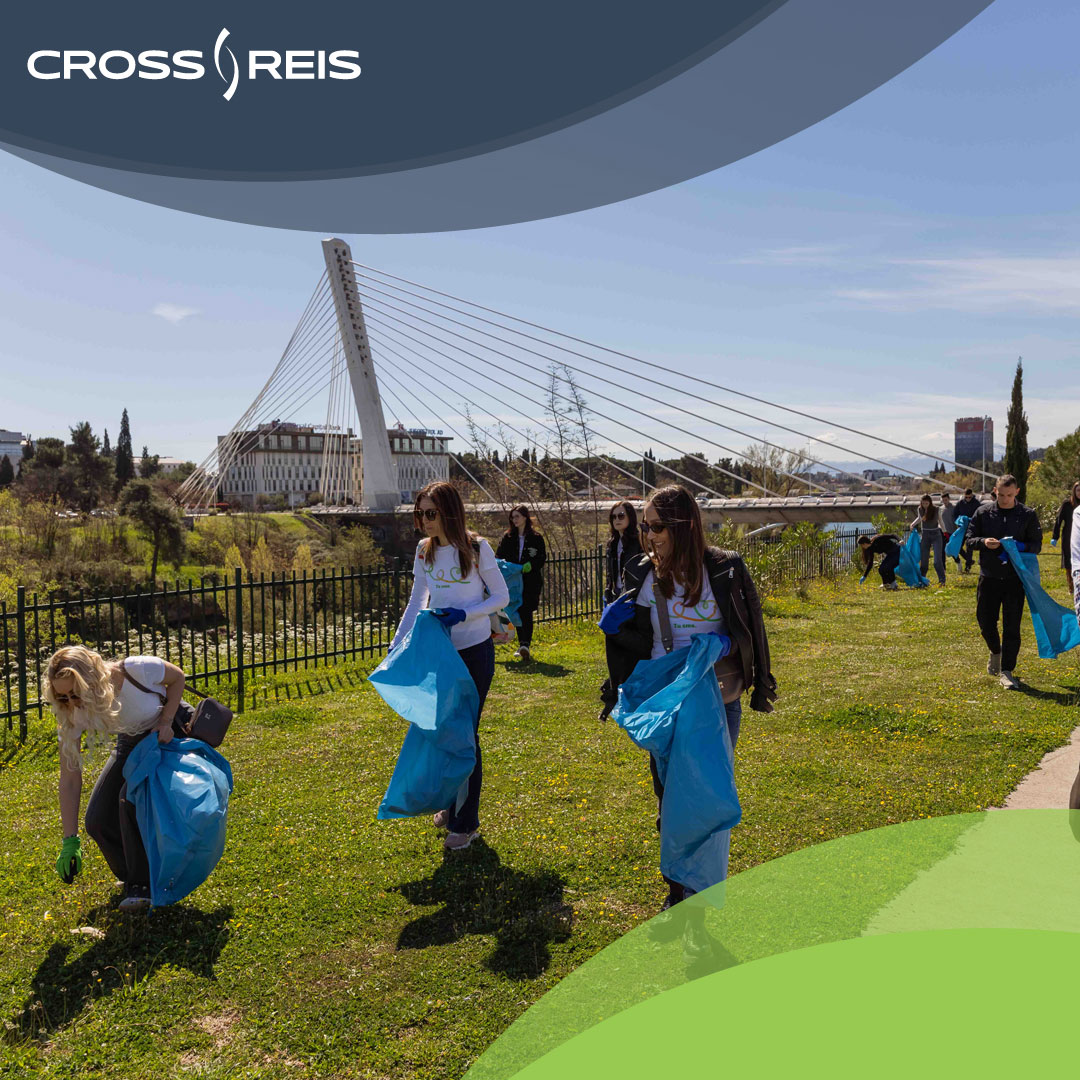
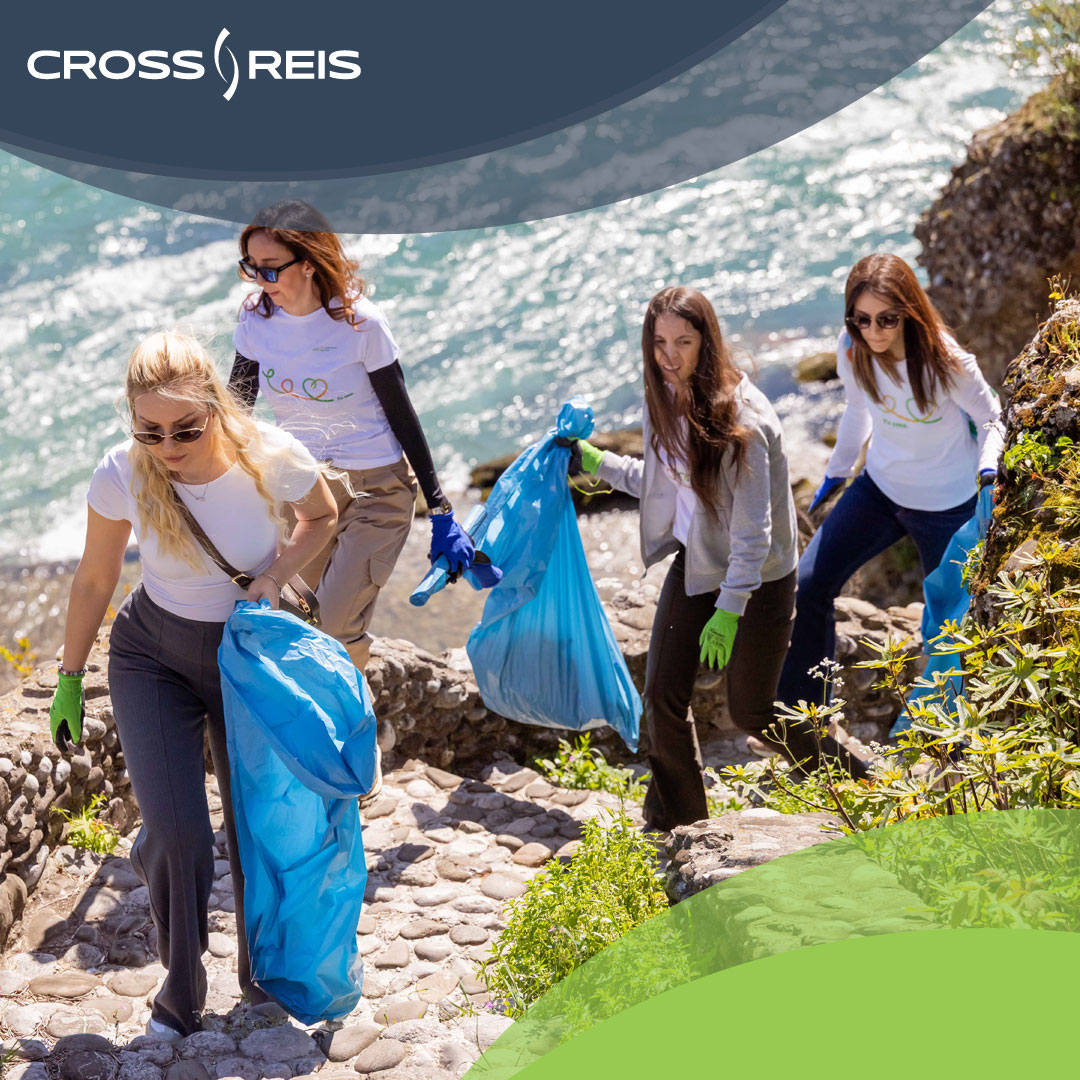
Through these activities, the CROSS-REIS Living Lab in Podgorica demonstrates how experimental urban spaces, such as university campuses and surrounding public areas, can serve as testing grounds for regenerative solutions. By combining education, participation, and real-world experimentation, the initiative supports the co-creation of NbS and strengthens collaboration between academia, citizens, and local stakeholders.
Importantly, these Living Labs represent pilot initiatives with strong potential for replication and scaling in other cities and partner countries in the next phases of the project. By fostering citizen engagement and practical experimentation, CROSS-REIS continues to build pathways toward more inclusive, sustainable, and regenerative urban futures.